
Ah, the humble wheel speed sensor. It’s not the most glamorous component in your vehicle, but it plays a vital role in keeping you safe on the road. In this article, we’ll take a deep dive into the world of wheel speed sensors, exploring how to test them, where they’re located, and what to expect when it comes to replacement costs.
What is a Wheel Speed Sensor, Anyway?
Before we get into the nitty-gritty of testing and replacing wheel speed sensors, let’s take a step back and understand what they do. A wheel speed sensor is a device that measures the rotational speed of your vehicle’s wheels. This information is then transmitted to the vehicle’s onboard computer, which uses it to control various systems such as anti-lock braking (ABS), traction control (TCS), and electronic stability control (ESC).
Think of it like this: when you’re driving, your vehicle’s wheels are constantly rotating at different speeds. The wheel speed sensor helps the onboard computer understand how fast each wheel is spinning, which is crucial for maintaining traction and stability. If the sensor is malfunctioning, the computer may not get the accurate information it needs, which can lead to problems like skidding, loss of control, or even accidents.
How to Test a Wheel Speed Sensor: A Step-by-Step Guide?
Now that we’ve covered the basics, let’s move on to the fun part: testing the wheel speed sensor. Don’t worry, it’s not as complicated as it sounds. Here’s a step-by-step guide to help you diagnose any issues:
- Locate the Wheel Speed Sensor: The first step is to find the wheel speed sensor, which is usually located near the wheel hub or brake rotor. Consult your vehicle’s repair manual or search online for specific instructions. Some vehicles may have multiple sensors, so make sure you identify the correct one.
- Check the Sensor’s Resistance: Use a multimeter to measure the sensor’s resistance. Compare the reading to the manufacturer’s specifications, which can be found in the repair manual or online. This will give you an idea of whether the sensor is functioning correctly.
- Test the Sensor’s Output: Use a scan tool or code reader to monitor the sensor’s output. Drive the vehicle at a moderate speed and observe the sensor’s output on the scan tool. This will help you determine if the sensor is sending accurate information to the onboard computer.
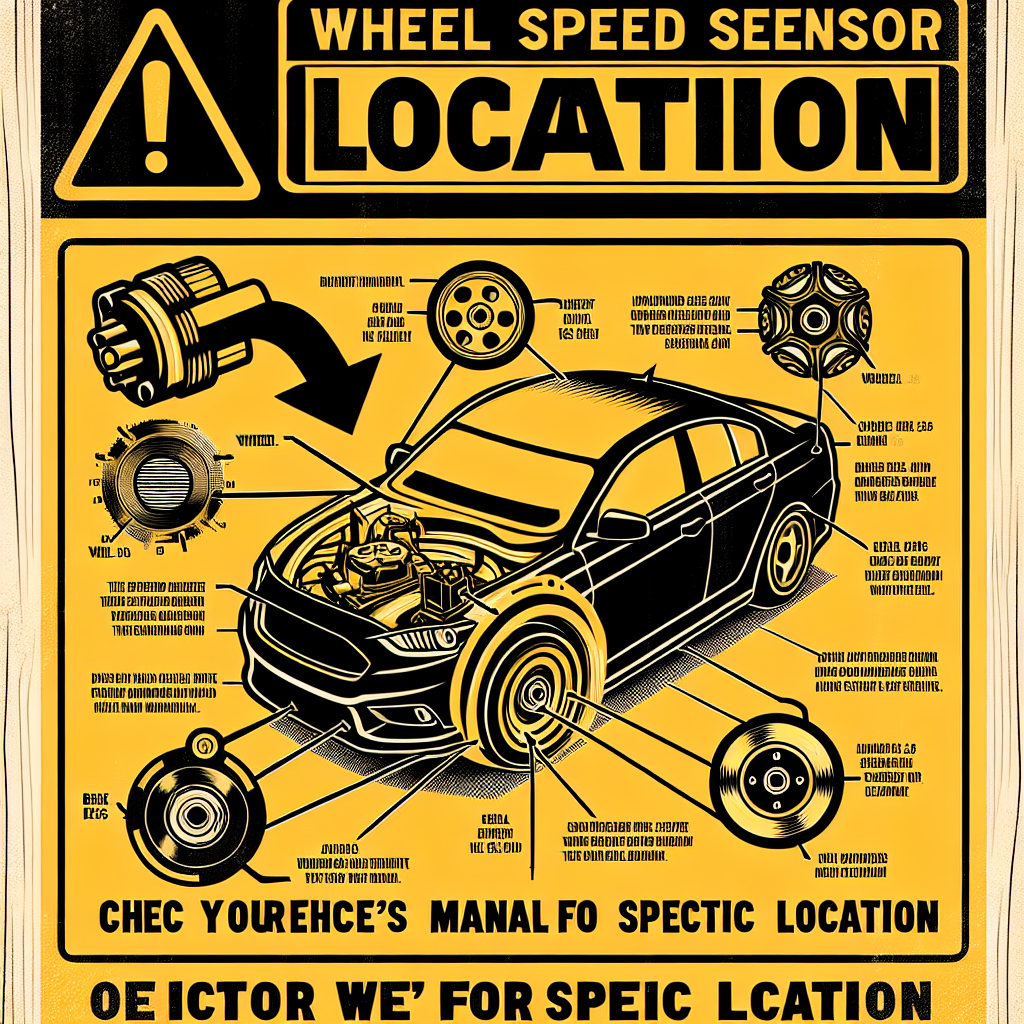
- Check for Fault Codes: If the sensor is malfunctioning, the vehicle’s onboard computer may store fault codes. Use a code reader to retrieve any stored codes. This can give you a better understanding of what’s going wrong and help you diagnose the issue.
What to Look for When Testing a Wheel Speed Sensor
When testing a wheel speed sensor, there are a few things to keep an eye out for:
- Erratic Readings: If the sensor’s output is erratic or inconsistent, it may indicate a problem with the sensor or the wiring.
- No Output: If the sensor is not sending any output, it could be a sign of a faulty sensor or a wiring issue.
- Incorrect Resistance: If the sensor’s resistance is outside the manufacturer’s specifications, it may indicate a problem with the sensor.
Wheel Speed Sensor Resistance Specification
The resistance specification for wheel speed sensors varies depending on the manufacturer and vehicle model. Here are some general guidelines:
- Most wheel speed sensors have a resistance range of 1-5 kΩ.
- Some sensors may have a higher or lower resistance range, so it’s essential to consult the manufacturer’s specifications.

Wheel Speed Sensor Replacement Cost: What to Expect
If you’ve determined that your wheel speed sensor is faulty, you’ll need to replace it. The cost of replacement can vary depending on the vehicle model, labor costs, and location. On average, the replacement cost can range from $50 to $200, including labor.
Where are the Wheel Speed Sensors Located?
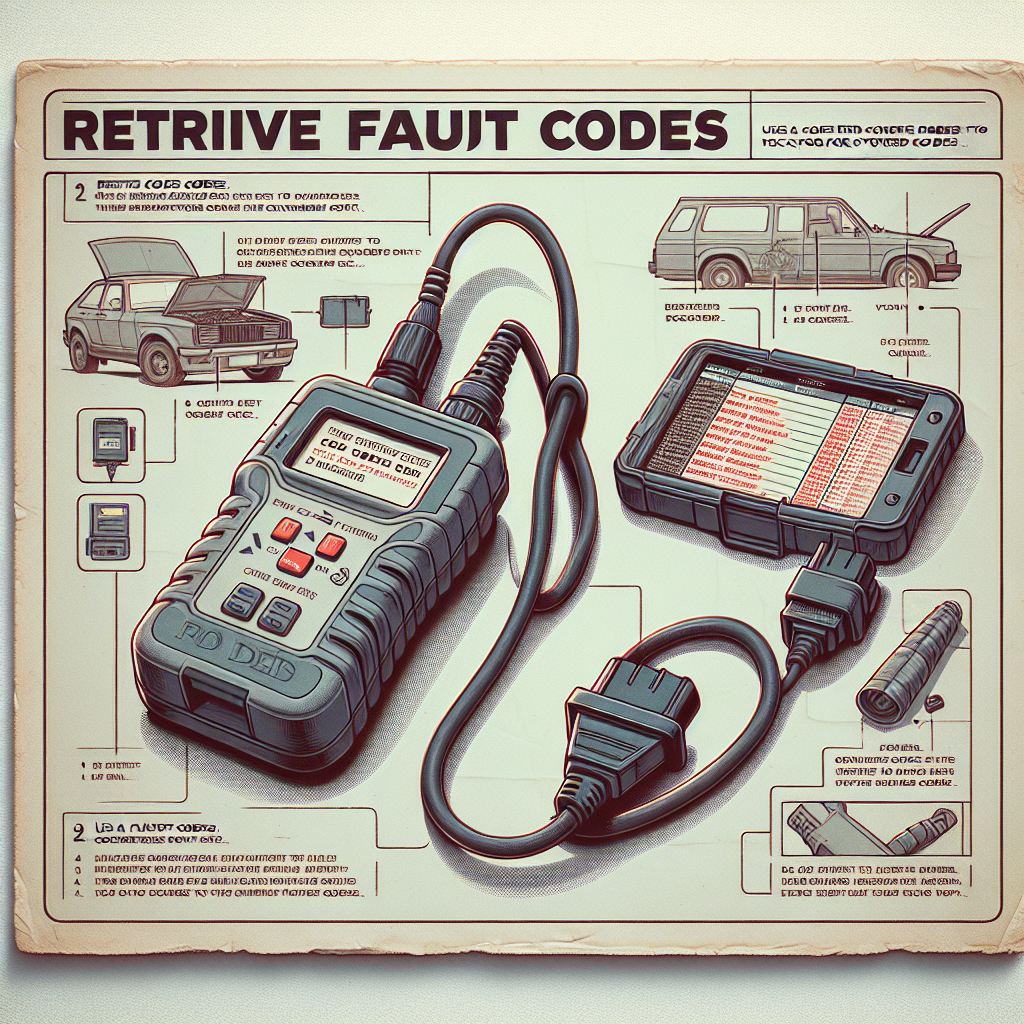
Wheel speed sensors are usually located near the wheel hub or brake rotor. Here are some common locations:
- Front wheel speed sensors: near the front wheel hub or brake rotor.
- Rear wheel speed sensors: near the rear wheel hub or brake rotor.
- Some vehicles may have additional sensors, such as mid-axle sensors, which are located near the axle shaft.
Tips and Tricks for Replacing a Wheel Speed Sensor
Replacing a wheel speed sensor can be a relatively straightforward process, but here are a few tips to keep in mind:
- Make sure to purchase the correct replacement sensor: Consult your vehicle’s repair manual or search online to ensure you get the right sensor for your vehicle.
- Follow proper installation procedures: Make sure to follow the manufacturer’s instructions for installing the new sensor.
- Test the sensor after installation: Use a scan tool or code reader to test the sensor’s output and ensure it’s functioning correctly.
Conclusion
Testing a wheel speed sensor may seem like a daunting task, but with the right tools and a little knowledge, it’s a relatively simple process. By following the steps outlined in this article, you can diagnose and replace a faulty wheel speed sensor, ensuring your vehicle’s safety and efficiency. Remember to always consult your vehicle’s repair manual or search online for specific instructions, and don’t hesitate to seek professional help if you’re unsure about any aspect of the process.